
If you're shopping for home internet right now, the choices can feel overwhelming. Cable, wireless, satellite and fiber internet all promise to keep you connected. On the surface, they may look similar. But when you look at where the industry is heading, the differences become much clearer.
Independent industry research shows that fiber internet is on track to become the leading way Americans connect at home by 2030. That shift is already happening, driven by large-scale investment and by what consumers consistently say they want from their internet service.
Here's a closer look at the data behind that momentum and what it means for households today.
Fiber internet adoption is accelerating
New findings from the Fiber Broadband Association, based on analysis from RVA LLC, point to continued record levels of fiber-to-the-home deployment across the United States.
The forecast shows that capital investment in fiber infrastructure is expected to reach roughly $167 billion through 2029. That level of spending reflects more than short-term demand. It signals confidence that fiber internet is the long-term foundation for home internet.
Building fiber networks takes time, planning and coordination. Providers must navigate permitting, construction timelines and workforce availability. Even with those constraints, the pace of fiber expansion is expected to remain strong over the next several years.
By the end of the decade, the report projects that fiber internet will overtake other technologies as the dominant way homes are connected. This is not a future possibility. It's a shift that's already well underway.
Consumers are choosing fiber internet when given the option
The rapid expansion of fiber internet is not happening in a vacuum. It's closely tied to consumer preference.
Market research included in the report shows that about 65% of consumers would choose fiber internet if it were available to them. That compares with roughly 18% who prefer cable and about 17% who favor other technologies such as DSL, wireless or satellite.
That gap matters. When a clear majority of shoppers consistently choose one option, it suggests the benefits are noticeable in everyday use.
For many households, those benefits show up as more reliable connections, faster uploads and better performance when multiple devices are online at the same time. Streaming, video calls, remote work, gaming and cloud backups all place different demands on a home network. Fiber internet is better equipped to handle all of them at once.
Rather than being pushed by providers, fiber internet is being pulled by customer expectations for speed, consistency and flexibility.
Investment follows performance, not hype
Not every technology trend delivers on its promise. Fiber internet has earned its investment by proving its performance.
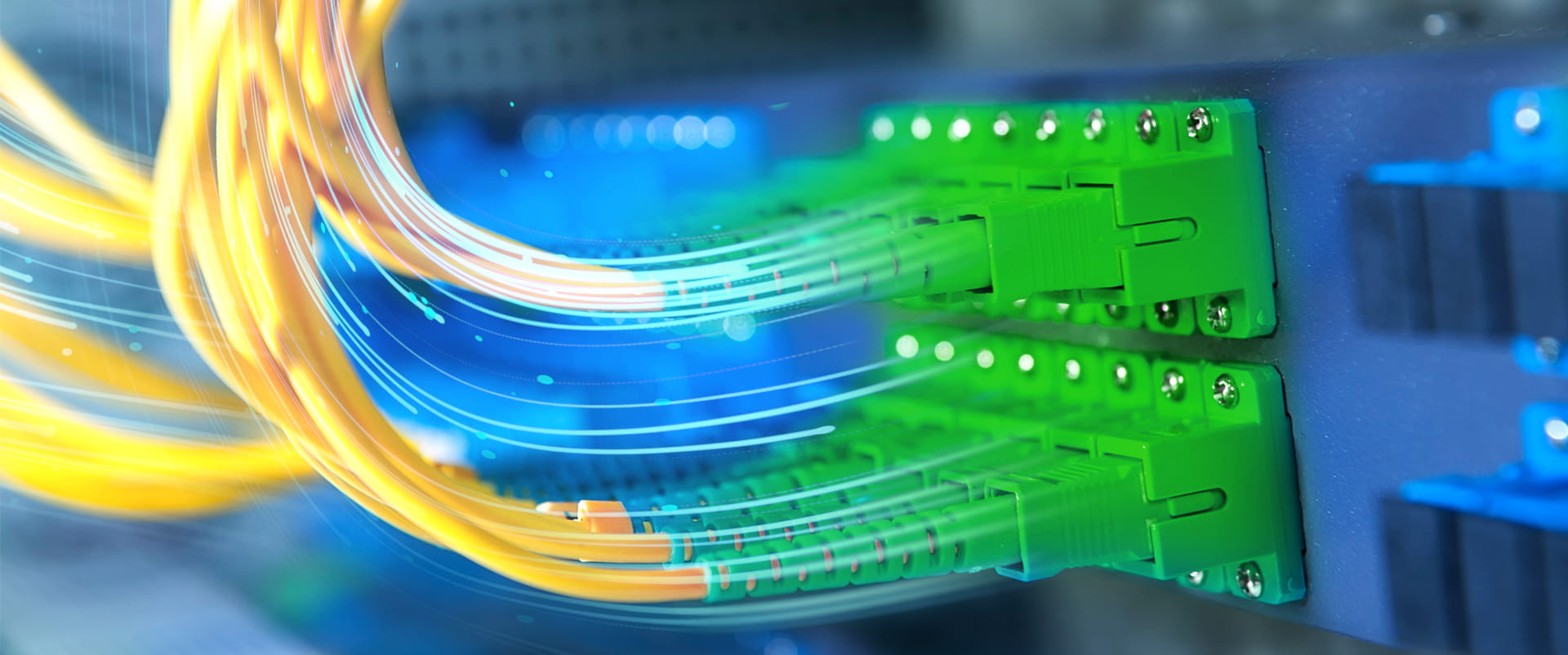
Fiber networks transmit data using light over glass strands, which allows for significantly higher capacity than traditional copper-based systems. That design supports symmetrical speeds, meaning uploads can be just as fast as downloads. It also reduces latency, which helps data move more quickly and smoothly.
Another key advantage is longevity. Once fiber is installed, it doesn't need to be replaced to support faster speeds in the future. Providers can upgrade equipment on either end of the fiber line while keeping the same fiber in the ground.
From a business perspective, that makes fiber a smart long-term investment. From a household perspective, it means your connection is built to keep up as technology and usage continue to evolve.
This is why capital continues to flow toward fiber builds. The economics favor infrastructure that can scale without constant replacement.
What this means for households today
Industry forecasts can feel distant, but their impact is already being felt at home.
Fiber connections tend to be more reliable, especially during peak usage times when many people are online. Because fiber internet is less susceptible to interference and signal degradation, performance is more consistent throughout the day.
Symmetrical speeds are another practical benefit. Upload speed matters more than ever for video conferencing, file sharing, cloud storage and smart home devices. Fiber internet helps ensure those activities do not compete with downloads for bandwidth.
Lower latency improves real-time experiences. Video calls feel smoother. Online games respond faster. Applications that rely on constant data exchange work more seamlessly.
Perhaps most importantly, fiber internet is built for the future. As households add more connected devices and rely more heavily on the internet for work, education and entertainment, having a connection that can grow with those demands becomes essential.
Choosing fiber internet today is not just about current needs. It is about being ready for what comes next.
Why our approach aligns with the data
At Ziply Fiber, our strategy reflects what the data shows and what customers are asking for.
We focus on building fiber-first networks designed to deliver long-term performance and scalability. Our plans come with no annual contracts and no data caps, so customers can use their connection without worrying about limits or lock-ins.
We continue investing in infrastructure that supports the communities we serve, not just for today but for years down the road.
The industry research is clear. Fiber internet is on track to lead home internet by 2030. Our goal is to make sure customers in our footprint can experience the benefits of that technology now, not later.
If you're comparing internet options, it helps to look beyond short-term promotions and ask which technology is being built, funded and chosen at scale. The answer points to fiber internet.